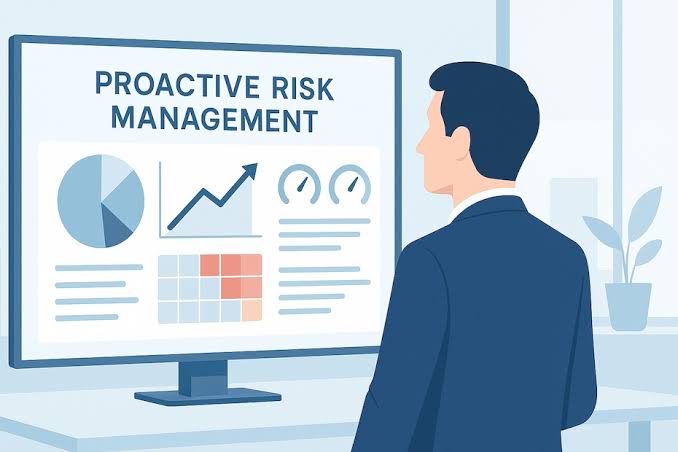
Implementing a structured stablecoin risk management strategy safeguards organizational assets, stabilizes cash flow, and preserves operational continuity long before a crisis hits. Organizations that operate without formal risk protocols remain perpetually vulnerable to market volatility, regulatory shifts, and unexpected supply chain disruptions. Instead of reacting to costly emergencies after damage occurs, a proactive framework allows leadership to identify threats early and implement strategic safeguards. Establishing clear risk controls transforms uncertainty into a manageable operational advantage that supports sustainable long-term growth.
Protecting Financial Capital and Ensuring Solvency
A comprehensive risk strategy acts as a financial shield, preventing unforeseen operational losses from draining liquid capital reserves. Unmanaged risks frequently materialize as sudden capital outlays, whether through regulatory fines, legal liabilities, unexpected equipment failures, or uncollected receivables. When leadership continuously monitors financial exposure, the organization maintains healthier cash reserves and avoids emergency borrowing under unfavorable market terms.
Predictable financial performance strengthens creditworthiness and improves borrowing power with financial institutions. Lenders and investors favor businesses that demonstrate tight control over operational and market risks. By establishing contingency funds and hedging against known vulnerabilities, executive teams preserve shareholder value and maintain the solvency required to navigate economic downturns smoothly.
Strengthening Operational Resilience and Eliminating Downtime
Identifying operational bottlenecks before they cause system-wide failures ensures continuous delivery of products and services to your customers. Modern business operations depend on complex networks of vendors, digital infrastructure, and specialized labor. A single breakdown in one link of the operational chain can halt production, disrupt distribution, and generate massive financial losses every hour the business remains offline.
Risk management protocols require teams to map out critical dependencies, establish secondary vendor relationships, and build redundant IT infrastructure. When an unforeseen event occurs, established response plans take effect instantly, minimizing operational downtime and maintaining service level agreements. This level of operational resilience keeps your workflows moving forward while competitors struggle to recover from similar disruptions.
Enhancing Strategic Decision-Making and Innovation
Having a clear understanding of potential downside exposure gives leadership teams the confidence to pursue high-reward growth opportunities. Business expansion naturally involves taking calculated risks, whether entering new geographical markets, launching innovative product lines, or acquiring competitors. Operating without risk visibility turns strategic growth into an uncalculated gamble that threatens the core stability of the business.
Systematic risk evaluations provide decision-makers with realistic data regarding market entry costs, regulatory hurdles, and execution challenges. Understanding the exact risk profile of a project allows executives to structure mitigation plans, allocate resources accurately, and establish clear performance benchmarks. This analytical approach enables organizations to innovate aggressively while keeping core assets protected against unexpected failure modes.
Safeguarding Brand Reputation and Market Authority
Protecting corporate reputation is one of the most significant long-term benefits of a mature risk management program. Brand equity takes years of consistent quality and customer satisfaction to build, yet a single unhandled security breach, product safety recall, or ethical compliance failure can destroy public trust overnight. Modern consumers and enterprise clients expect transparency, safety, and unwavering reliability from the brands they support.
Maintaining rigorous oversight across compliance, cyber security, and workplace safety protocols minimizes the likelihood of public operational failures. When a business demonstrates that it takes data protection, worker safety, and regulatory compliance seriously, it earns a strong reputation in its industry. This public trust serves as a powerful competitive moat, helping the organization retain valuable clients and attract top-tier talent.
Conclusion
Establishing a formal risk management strategy is an indispensable investment in the stability, profitability, and longevity of your enterprise. Systematically identifying threats, reinforcing operational vulnerabilities, and protecting financial capital equips your organization to navigate changing market environments with confidence. Prioritizing structured risk controls today secures your company’s assets, upholds your brand reputation, and positions your business for sustainable, long-term success.